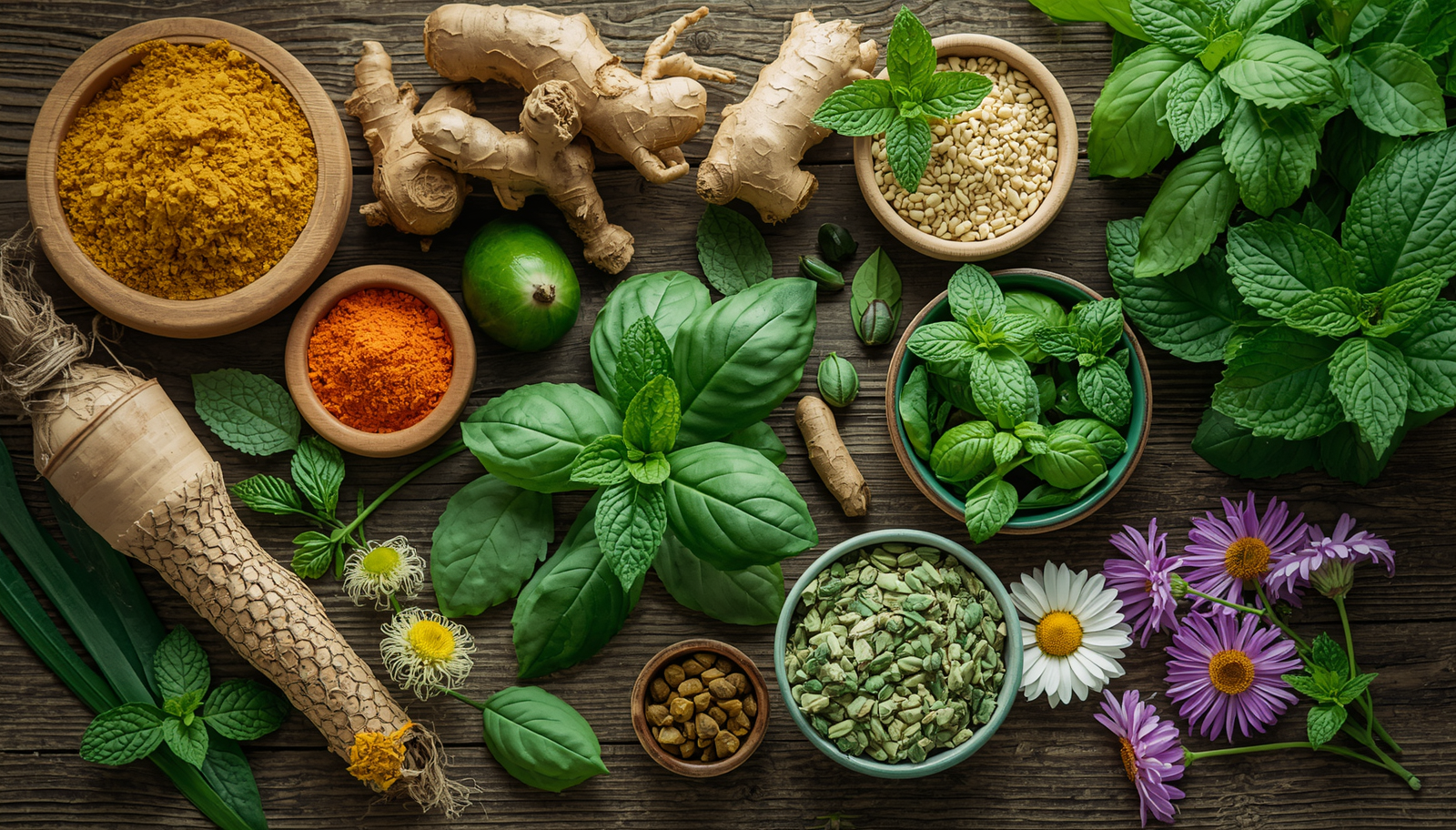
Traditional healing plants have played a role in health practices across regions for centuries. Communities relied on plants for prevention, recovery, and daily wellness. Knowledge passed through generations and formed the foundation of many health systems. Today, interest in traditional healing plants continues as people explore natural approaches to health.
Traditional plant use includes leaves, roots, bark, seeds, and flowers. These plant parts contain compounds that support body function. Many traditional healing systems such as Ayurveda, Traditional Chinese Medicine, African herbal practices, Indigenous medicine, and Western herbal traditions use plants for wellness.
This article explores traditional healing plants used worldwide. It also covers preparation methods, daily use ideas, and safety considerations.
Understanding Traditional Plant Medicine
Traditional plant medicine relies on natural resources and cultural knowledge. Plants support digestion, immunity, sleep, stress response, and energy. Traditional healers used plants in tea, powder, paste, oil, and decoction.
Modern research continues to study plant compounds and their role in health. While traditional plants support wellness, they should be used with awareness and guidance.
Turmeric in Traditional Health Practices
Turmeric has been used in Ayurveda and other traditional systems. The root contains curcumin and other plant compounds. Turmeric supports digestion, immune response, and joint function.
How Turmeric Is Used
Mixed in meals
Brewed as tea
Combined with milk or plant milk
Used in paste form
Ginger in Traditional Medicine
Ginger is used across Asia, Africa, and other regions. It supports digestion, circulation, and immune function.
How Ginger Is Used
Brewed as tea
Added to food
Mixed in warm water
Used in herbal blends
Garlic in Traditional Healing
Garlic has been used in traditional medicine across regions. It supports immune response and heart function.
How Garlic Is Used
Consumed raw
Added to meals
Mixed with oil
Used in herbal mixtures
Ginseng in Asian Traditional Medicine
Ginseng has been used in Traditional Chinese Medicine and Korean herbal practice. It supports energy and immune response.
How Ginseng Is Used
Brewed as tea
Used in extract form
Mixed in soups
Ashwagandha in Ayurveda
Ashwagandha root is used in Ayurvedic practice. It supports stress response and body balance.
How Ashwagandha Is Used
Mixed in warm water
Used in powder form
Taken as supplement
Holy Basil in Traditional Practice
Holy basil, also called tulsi, is used in traditional health systems. It supports immune response and stress balance.
How Holy Basil Is Used
Brewed as tea
Added to herbal blends
Used in powder form
Aloe Vera in Traditional Healing
Aloe vera has been used in traditional medicine across regions. It supports digestion and skin health.
How Aloe Vera Is Used
Consumed as juice
Applied to skin
Mixed in drinks
Neem in Traditional Medicine
Neem is used in traditional health systems. It supports skin health and immune function.
How Neem Is Used
Brewed as tea
Used in paste
Applied to skin
Echinacea in Indigenous Practices
Echinacea has been used in Indigenous healing practices. It supports immune response.
How Echinacea Is Used
Brewed as tea
Used as tincture
Taken as capsule
Licorice Root in Traditional Medicine
Licorice root is used in Traditional Chinese Medicine and other systems. It supports digestion and respiratory health.
How Licorice Root Is Used
Brewed as tea
Used in blends
Moringa in Traditional Health Practices
Moringa is used in African and Asian traditions. It supports nutrition and energy.
How Moringa Is Used
Added to meals
Mixed in powder form
Brewed as tea
Chamomile in European Traditions
Chamomile has been used in European herbal practices. It supports relaxation and digestion.
How Chamomile Is Used
Brewed as tea
Used in blends
Peppermint in Traditional Healing
Peppermint supports digestion and breathing. It has been used in traditional practices across regions.
How Peppermint Is Used
Brewed as tea
Added to meals
Dandelion in Traditional Practices
Dandelion has been used in traditional medicine. It supports digestion and liver function.
How Dandelion Is Used
Brewed as tea
Added to meals
Building a Traditional Plant Wellness Routine
Morning Routine
Drink ginger tea
Add turmeric to breakfast
Afternoon Routine
Drink green tea
Use garlic in meals
Evening Routine
Drink chamomile tea
Use holy basil tea
Safety Considerations
Traditional plants support wellness but require safe use. Consult a professional before use if pregnant, nursing, or managing health conditions. Use moderate intake.
Benefits of Traditional Healing Plants
Support immune response
Support digestion
Support stress balance
Support sleep
Support energy
Conclusion
Traditional healing plants have supported health practices worldwide for generations. Turmeric, ginger, garlic, ginseng, ashwagandha, holy basil, aloe vera, neem, echinacea, licorice root, moringa, chamomile, peppermint, and dandelion provide support for daily wellness.
Use traditional healing plants in tea, food, or supplement form. Combine plant remedies with balanced lifestyle for wellness.