
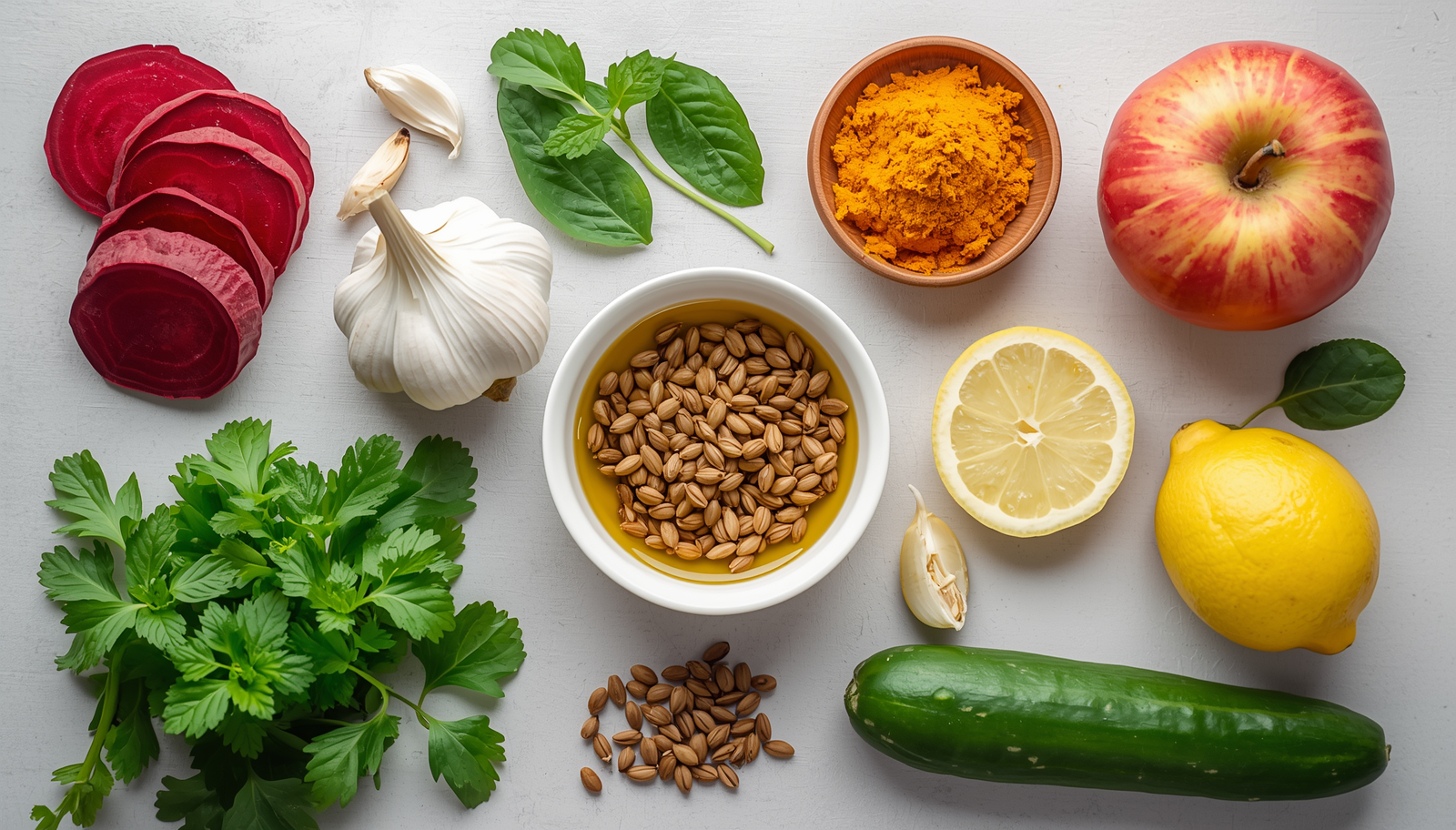
Detox is a term used to describe body processes that remove waste products. The body uses liver, kidneys, lungs, skin, and digestive system for this function. These systems work continuously to process substances from food, air, and metabolism.
Plants are used in food and herbal systems that support these processes. They contain fiber, plant compounds, and nutrients that interact with digestion, hydration, and metabolism. Many cultures use plants in daily routines related to body cleansing systems.
This article explains detox plants, how they are used in daily life, and how they connect with body systems.
Body Systems Involved in Detox Process
The liver processes chemicals and metabolites. The kidneys filter blood and produce urine. The digestive system processes food and removes waste. The skin releases sweat. The lungs exchange gases.
These systems work together without interruption. Food intake, water intake, and plant compounds interact with these systems.
Water and Plant Interaction
Water supports movement of substances in the body. Plants contain fiber and compounds that interact with water in digestion. Fiber moves through the digestive tract and connects with waste removal.
Ginger
Ginger root is used in food systems. It contains compounds used in digestion processes.
Use method
- Slice root and boil in water
- Add to meals
- Mix with warm water
Turmeric
Turmeric root is used in cooking systems. It contains curcumin.
Use method
- Add powder to food
- Mix with warm water
- Combine with fat in meals
Garlic
Garlic bulb is used in food systems. It contains sulfur compounds.
Use method
- Crush cloves and add to food
- Use raw in small quantity
Lemon
Lemon fruit is used in drink systems. It contains vitamin C and citric acid.
Use method
- Add juice to water
- Mix with meals
Cucumber
Cucumber is used in food systems. It contains water content and fiber.
Use method
- Eat raw slices
- Add to water
Green Tea
Green tea leaves are used in beverage systems. They contain catechins.
Use method
- Brew leaves in hot water
- Drink in morning or afternoon
Dandelion
Dandelion plant is used in traditional systems. Leaves and roots are used.
Use method
- Brew tea from leaves or root
- Add to meals
Milk Thistle
Milk thistle seeds are used in herbal systems. They contain silymarin.
Use method
- Use extract form
- Brew seed tea
Cilantro
Cilantro leaves are used in food systems. It is used in cooking.
Use method
- Add fresh leaves to meals
- Mix in salads
Mint
Mint leaves are used in beverage systems. They contain menthol.
Use method
- Brew leaves in water
- Add to food
Beetroot
Beetroot is used in food systems. It contains nitrates.
Use method
- Eat cooked or raw
- Juice form use
Fennel
Fennel seeds are used in digestion systems.
Use method
- Chew seeds after meals
- Brew tea
Apple
Apple fruit is used in food systems. It contains fiber.
Use method
- Eat whole fruit
- Add to meals
Psyllium
Psyllium husk is used in fiber systems.
Use method
- Mix with water
- Consume once per day
Aloe Vera
Aloe plant is used in juice systems.
Use method
- Extract gel and mix in water
- Consume in small quantity
Daily Routine for Plant Intake
Morning
- Warm water with lemon
- Ginger drink
Afternoon
- Meals with garlic and turmeric
- Green tea
Evening
- Mint tea
- Fennel seed use
Lifestyle Factors
Body processes depend on:
- Water intake
- Food timing
- Movement
- Sleep
- Stress level
Plants work within these factors.
Safety Notes
Plant compounds interact with body systems. Intake depends on individual condition. Consultation is used when health condition or medication exists.
Historical Use
Plants are used in food systems across regions. These systems include Asian, European, African, and Indigenous food practices.
Modern Use
Plants are used in tea products, supplements, and food systems. These products are included in daily intake routines.
Conclusion
Plants such as ginger, turmeric, garlic, lemon, cucumber, green tea, dandelion, milk thistle, cilantro, mint, beetroot, fennel, apple, psyllium, and aloe vera are used in food systems related to body processes.
These plants are used in tea, food, and extract forms. Their use connects with digestion, liver function, and waste movement systems.