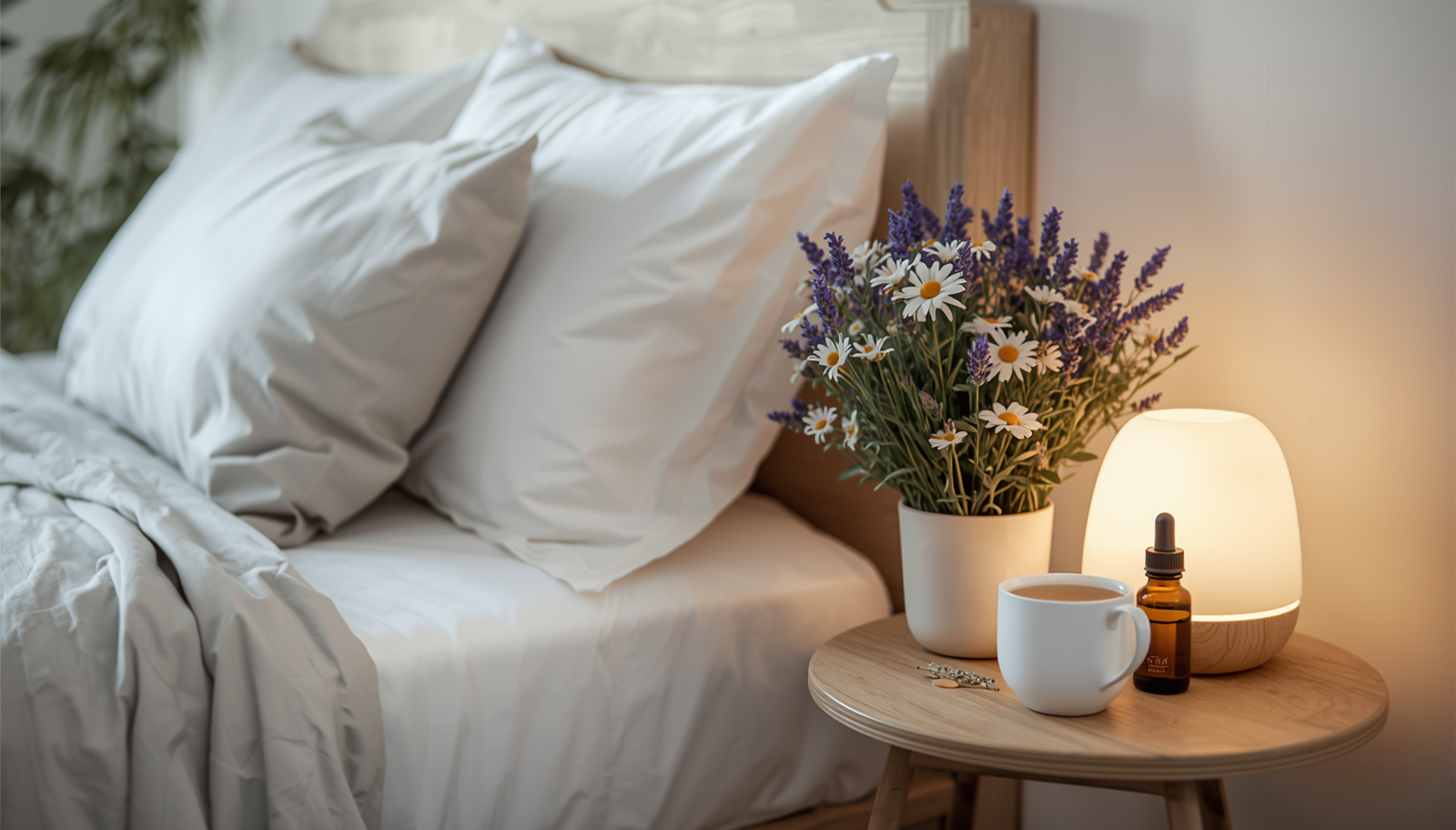
Sleep is a body process that involves cycles of rest and recovery. Mental wellness relates to how thoughts, emotions, and behavior function in daily life. Both sleep and mental wellness connect through the nervous system.
Herbal plants are used in many cultures for sleep routines and mental balance. These plants contain compounds that interact with the nervous system, hormone activity, and stress response. This article explains herbal plants used for sleep and mental wellness, how they are prepared, and how they are used in daily life.
Sleep Process and Mental Function
Sleep occurs in cycles that include non-REM and REM stages. During sleep, the body regulates hormones, memory processing, and cellular repair.
Mental wellness includes attention, emotional response, and cognitive processing. These functions depend on sleep quality and daily routine.
Herbal plants are used in routines that connect with these processes through tea, extract, powder, and aroma use.
Chamomile
Chamomile is a flowering plant used in tea preparation. It contains compounds such as apigenin.
Use Method
- Place dried flowers in hot water
- Drink in evening period
Chamomile is used in sleep routines and evening intake schedules.
Valerian Root
Valerian root is a plant root used in herbal systems.
Use Method
- Prepare as tea
- Use extract form
- Take capsule form
Valerian root is used before sleep period in many herbal routines.
Lavender
Lavender is a flowering plant used in aroma systems and tea.
Use Method
- Use dried flowers in tea
- Use oil in room diffusion
- Place near sleep area
Lavender is used in sleep environment setups.
Lemon Balm
Lemon balm is a leaf plant used in herbal tea systems.
Use Method
- Brew leaves in hot water
- Combine with chamomile
Lemon balm is used in evening intake routines.
Passionflower
Passionflower is a climbing plant used in herbal preparation.
Use Method
- Brew dried plant parts in hot water
- Use extract form
Passionflower is used in sleep preparation routines.
Ashwagandha
Ashwagandha is a root plant used in traditional systems.
Use Method
- Mix powder in water
- Use in capsule form
Ashwagandha is used in daily routine systems connected to stress response.
Holy Basil
Holy basil is a leaf plant used in tea preparation.
Use Method
- Brew leaves in hot water
- Consume during evening or morning
Holy basil is used in routine systems for mental function support.
Peppermint
Peppermint is a leaf plant used in tea systems.
Use Method
- Brew leaves in hot water
- Use after meals or in evening
Peppermint is used in digestion and relaxation routines.
Green Tea
Green tea is made from processed leaves.
Use Method
- Brew leaves in hot water
- Consume in morning or afternoon
Green tea is used in mental focus routines due to caffeine content.
Magnolia Bark
Magnolia bark is used in traditional herbal systems.
Use Method
- Prepare as extract
- Use in tea form
Magnolia bark is used in sleep cycle routines.
Jujube Seed
Jujube seed is used in traditional sleep systems.
Use Method
- Prepare tea from seeds
- Use extract form
Jujube seed is used in sleep support routines.
Routine for Sleep and Mental Wellness
Evening Routine
- Chamomile tea
- Lavender aroma use
- Lemon balm intake
Night Routine
- Valerian root intake
- Passionflower tea
Day Routine
- Green tea intake
- Holy basil tea
- Ashwagandha use
Lifestyle Factors
Sleep and mental wellness depend on routine factors:
- Sleep timing
- Food intake timing
- Screen exposure
- Physical movement
- Environment conditions
Herbal plants are used within these systems.
Plant Preparation Methods
Herbal plants are prepared in different forms:
- Tea infusion
- Powder mixing
- Capsule intake
- Aroma diffusion
- Extract solution
Safety Information
Herbal plants interact with body systems. Use depends on individual conditions. Consultation with health professionals is used before long term intake.
Plant Interaction With Nervous System
Herbal compounds interact with neurotransmitter activity and hormone systems. These interactions connect with sleep cycles and mental processes.
Historical Use
Herbal plants have been used in many regions for sleep and mental systems. These systems include Asian herbal practice, European herbal systems, and Indigenous plant use systems.
Modern Use
Herbal plants are used in modern routines as tea products, capsules, and extracts. These products are included in daily schedules for sleep and mental routines.
Conclusion
Herbal plants such as chamomile, valerian root, lavender, lemon balm, passionflower, ashwagandha, holy basil, peppermint, green tea, magnolia bark, and jujube seed are used in sleep and mental wellness systems.
These plants are used in tea, powder, extract, and aroma systems. Their use is part of daily routines connected to sleep cycles and mental function.