
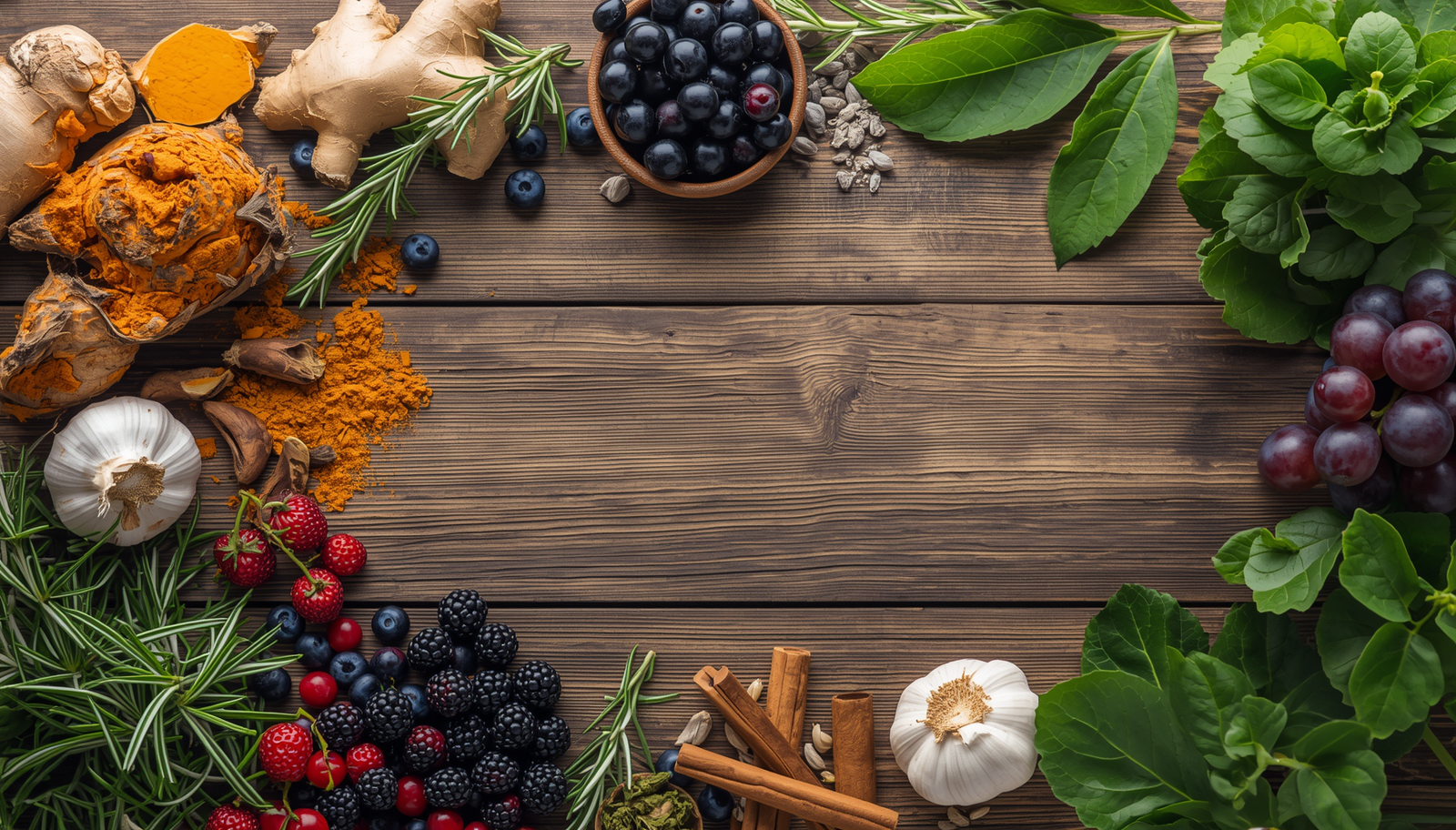
Inflammation is a biological response in the body. It occurs when the immune system reacts to injury, infection, or stress. Aging is a natural process that affects cells, tissues, and organs over time. Both inflammation and aging are linked to oxidative stress in the body.
Oxidative stress occurs when free radicals increase beyond the body’s ability to manage them. Free radicals are unstable molecules produced during normal metabolism and external exposure such as pollution, diet, and stress. The body uses antioxidants to neutralize these molecules.
Plants contain compounds that act as antioxidants. These compounds support the body in managing oxidative stress and inflammation. Many cultures have used plants for long periods to support health and longevity.
This article explains antioxidant plants, how they work, how they are used in daily life, and how they support inflammation and aging processes.
Understanding Antioxidants and Their Role
Antioxidants are compounds that interact with free radicals. They reduce the impact of oxidative stress in cells. This process supports cellular function and tissue maintenance.
Plant sources of antioxidants include flavonoids, polyphenols, carotenoids, and other compounds. These compounds are found in roots, leaves, fruits, seeds, and bark.
The body produces antioxidants naturally, but dietary intake from plants supports the system.
Turmeric and Curcumin Support
Turmeric root contains curcumin. Curcumin is studied for its role in inflammation pathways and oxidative stress response.
How Turmeric Is Used
- Mixed into meals
- Brewed in hot water
- Combined with fats for absorption
- Used in powdered form
Turmeric is used in traditional systems such as Ayurveda for body balance and joint function.
Ginger and Oxidative Balance
Ginger root contains compounds such as gingerol. These compounds interact with inflammation pathways and digestive function.
How Ginger Is Used
- Brewed as tea
- Added to food preparation
- Mixed in warm water
Ginger is used in many cultural systems for digestion and circulation support.
Green Tea and Cellular Protection
Green tea contains catechins. Catechins are plant compounds studied for antioxidant activity.
How Green Tea Is Used
- Brewed leaves in hot water
- Consumed daily in moderate amounts
Green tea is used in many regions for daily hydration and metabolic support.
Garlic and Immune Response
Garlic contains sulfur compounds such as allicin. These compounds are studied for immune and oxidative balance.
How Garlic Is Used
- Added to meals
- Consumed raw in small amounts
Garlic has been used in traditional practices across regions for long periods.
Berries and Polyphenol Content
Berries contain anthocyanins and polyphenols. These compounds are linked to oxidative stress reduction.
How Berries Are Used
- Eaten fresh
- Added to smoothies
- Used in dried form
Berries are part of many dietary patterns focused on cellular health.
Rosemary and Plant Compounds
Rosemary contains rosmarinic acid and other compounds studied for antioxidant activity.
How Rosemary Is Used
- Added to food
- Brewed as tea
- Used in extracts
Rosemary is used in food systems and herbal practices.
Cinnamon and Metabolic Support
Cinnamon contains cinnamaldehyde. It is studied for its role in metabolic processes and oxidative balance.
How Cinnamon Is Used
- Added to meals
- Mixed in beverages
Cinnamon is used in many traditional food systems.
Ginseng and Energy Regulation
Ginseng root contains ginsenosides. These compounds are studied for energy balance and stress response.
How Ginseng Is Used
- Brewed as tea
- Used in extract form
Ginseng is part of Traditional Chinese Medicine systems.
Moringa and Nutrient Density
Moringa leaves contain vitamins, minerals, and plant compounds. These compounds support general cellular function.
How Moringa Is Used
- Added to meals
- Used as powder in drinks
Moringa is used in multiple regions for daily nutrition.
Neem and Plant Defense Compounds
Neem contains bioactive compounds studied in traditional medicine systems.
How Neem Is Used
- Used in tea form
- Applied externally in some practices
Neem is used in traditional systems in Asia.
Grapes and Resveratrol Source
Grapes contain resveratrol and other polyphenols. These compounds are linked to cellular protection research.
How Grapes Are Used
- Eaten fresh
- Used in juice form
Leafy Greens and Cellular Function
Leafy greens contain vitamins and plant compounds that support metabolic processes.
How Leafy Greens Are Used
- Eaten raw
- Cooked in meals
Building a Daily Plant-Based Routine
Morning
- Green tea
- Ginger in water
Afternoon
- Meals with garlic and turmeric
- Fruit intake
Evening
- Herbal tea such as rosemary or cinnamon
Lifestyle Factors That Affect Oxidative Stress
- Sleep duration
- Physical activity
- Food intake
- Environmental exposure
- Stress levels
Plants work in combination with lifestyle factors.
Safety Considerations
Plant compounds interact with the body. Use moderation in daily intake. People with health conditions or medication use should consult professionals before regular use.
Role of Diet in Aging and Inflammation
Diet patterns influence oxidative stress levels. Whole foods and plant sources support balanced intake of antioxidants.
Processed foods and low nutrient intake can increase oxidative stress.