
Heart health refers to the function of the heart and blood vessels. Circulation refers to the movement of blood through the body. These systems deliver oxygen and nutrients to tissues and remove waste products.
Plant based materials have been used in many cultures for heart and circulation support. These plants contain compounds such as polyphenols, flavonoids, nitrates, and alkaloids. These compounds interact with vascular function, blood flow, and oxidative processes.
This article explains plants used for heart health and circulation, how they are prepared, and how they are used in daily routines.
Heart and Circulation System Overview
The cardiovascular system includes the heart, arteries, veins, and capillaries. The heart pumps blood through vessels. Circulation maintains oxygen delivery and nutrient transport.
Factors that affect circulation include diet, movement, stress, sleep, and hydration. Plant based intake is part of dietary patterns that support cardiovascular function.
Garlic and Circulation Function
Garlic is a bulb plant used in food systems and traditional practices. It contains sulfur compounds such as allicin.
Use Method
Crush cloves and add to meals
Consume raw in small amounts
Mix with oil for food preparation
Garlic is used in dietary patterns linked to blood vessel function and circulation support.
Hawthorn and Heart Function
Hawthorn is a plant used in European herbal systems. Leaves, flowers, and berries are used in preparation.
Use Method
Brew berries as tea
Use extract form
Add to herbal blends
Hawthorn is used in traditional systems related to heart function support.
Beetroot and Nitric Oxide Pathways
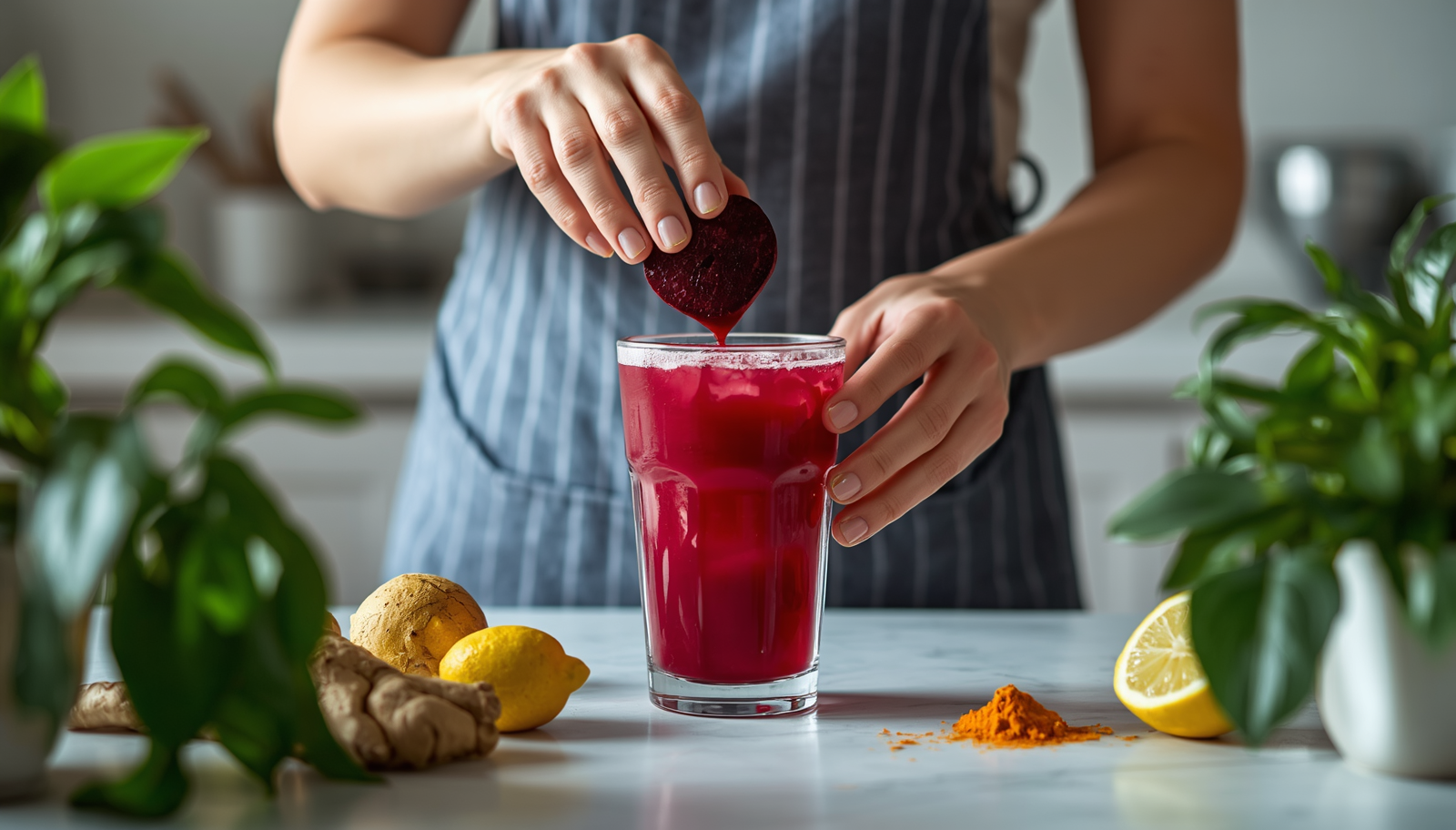
Beetroot is a root vegetable used in food systems. It contains dietary nitrates.
Use Method
Drink beet juice
Add to meals
Roast or boil for food use
Beetroot is used in dietary patterns linked to circulation processes.
Turmeric and Vascular Processes
Turmeric root contains curcumin and other compounds.
Use Method
Add powder to meals
Mix in warm water
Combine with fats in food
Turmeric is used in traditional systems related to inflammation pathways and circulation balance.
Ginger and Blood Flow Support
Ginger root contains gingerol and related compounds.
Use Method
Brew as tea
Add to meals
Mix in water
Ginger is used in food systems linked to circulation and digestion.
Green Tea and Vascular Function
Green tea contains catechins and polyphenols.
Use Method
Brew leaves in hot water
Drink daily in moderate amounts
Green tea is used in dietary patterns linked to cardiovascular support.
Cinnamon and Metabolic Regulation
Cinnamon bark contains cinnamaldehyde.
Use Method
Add powder to meals
Mix in drinks
Cinnamon is used in food systems related to metabolic and circulation processes.
Cayenne Pepper and Circulation
Cayenne pepper contains capsaicin.
Use Method
Add to meals
Mix in warm water
Cayenne pepper is used in traditional systems related to circulation stimulation.
Olive Leaf and Vascular Support
Olive leaf contains polyphenols.
Use Method
Brew leaf tea
Use extract form
Olive leaf is used in Mediterranean dietary systems.
Grapes and Blood Vessel Function
Grapes contain resveratrol and flavonoids.
Use Method
Eat fresh fruit
Drink juice form
Grapes are used in dietary systems linked to vascular function.
Pomegranate and Circulation
Pomegranate contains polyphenols and nitrates.
Use Method
Drink juice
Eat seeds
Pomegranate is used in food systems related to blood flow.
Ginkgo Biloba and Cognitive Circulation
Ginkgo biloba is a plant used in traditional systems.
Use Method
Use extract form
Brew as tea
Ginkgo is used in systems related to circulation and cognitive function.
Dark Leafy Greens and Nitric Oxide
Leafy greens contain nitrates and fiber.
Use Method
Eat raw or cooked
Add to meals
Leafy greens are used in dietary systems for circulation support.
Berries and Vascular Health
Berries contain anthocyanins and flavonoids.
Use Method
Eat fresh
Add to meals
Berries are used in dietary systems linked to blood vessel function.
Daily Plant Based Routine for Heart and Circulation
Morning
Beet juice or beet food intake
Green tea
Afternoon
Meals with garlic and turmeric
Fruit intake such as grapes or berries
Evening
Hawthorn tea or herbal blend
Light meal intake
Lifestyle Factors Affecting Circulation
Movement and physical activity
Sleep duration
Stress levels
Hydration intake
Dietary balance
Plants are used within these lifestyle systems.
Preparation Methods
Plants are prepared in multiple forms:
Tea infusion
Raw food intake
Powder mixing
Juice extraction
Capsule form
Safety Considerations
Plant compounds interact with body systems. Use depends on individual conditions. People with medication use or health conditions should consult professionals before regular intake.
Historical Use of Plants for Heart Systems
Plants have been used in many regions for heart and circulation support. Systems include European herbal practice, Asian traditional systems, and Indigenous food practices.
Modern Use of Cardiovascular Plants
Plants are now used in dietary supplements, teas, and functional foods. These products are included in daily routines for circulation support.
Conclusion
Plants such as garlic, hawthorn, beetroot, turmeric, ginger, green tea, cinnamon, cayenne pepper, olive leaf, grapes, pomegranate, ginkgo biloba, leafy greens, and berries are used in dietary systems related to heart and circulation.
These plants are used in food, tea, and extract forms. Their use is part of daily routines connected to cardiovascular function.