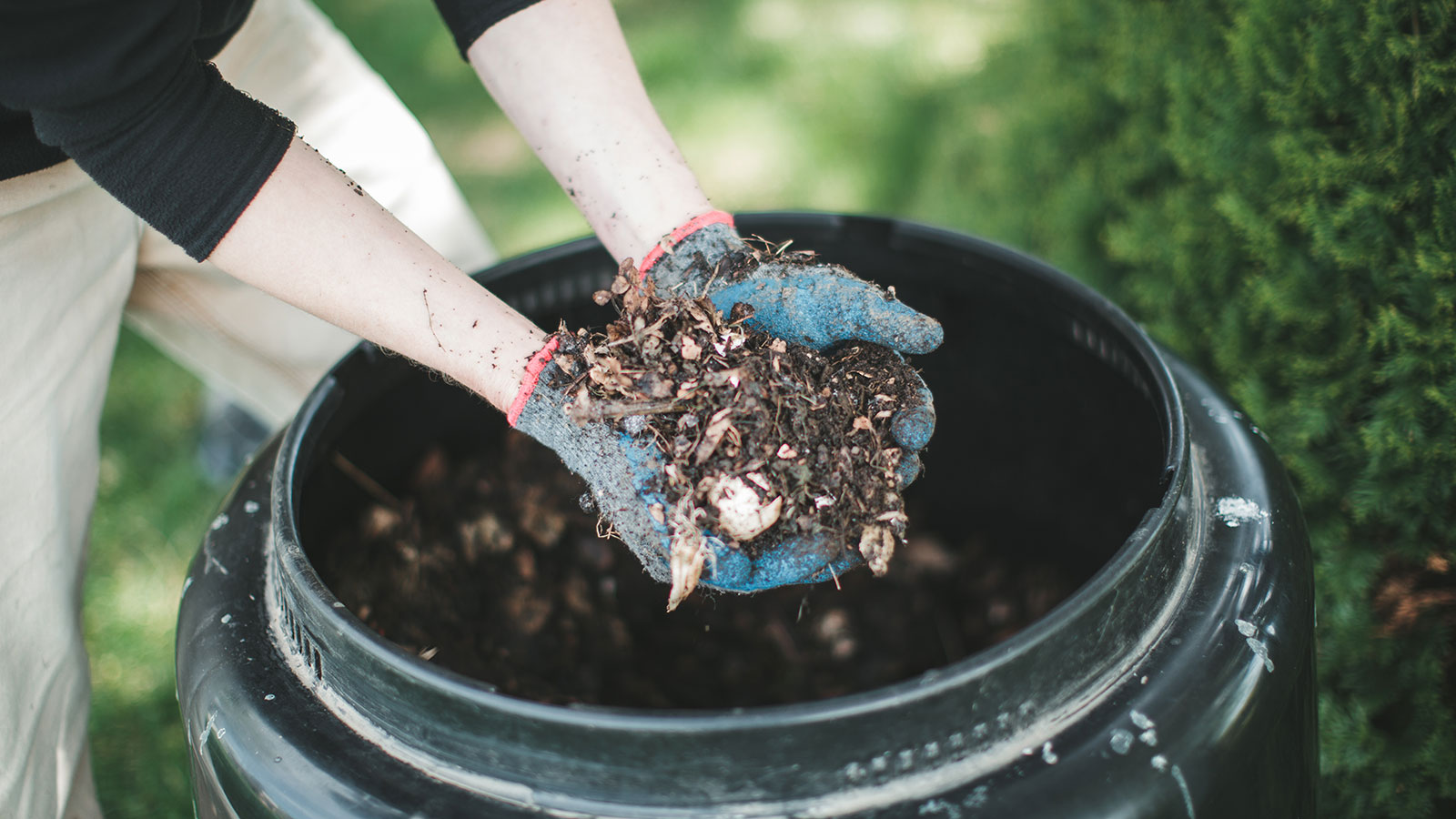
Plants need food to grow strong and healthy. Instead of using chemical fertilizers, you can make your own organic fertilizer at home. It’s cheaper, safer, and better for the environment.
Organic fertilizer gives your plants nutrients like nitrogen, phosphorus, and potassium. Plus, it helps improve soil and encourages healthy microbes.
Let’s walk through how to make organic fertilizer, step by step.
Why Choose Organic Fertilizer?
Before we start, here’s why homemade organic fertilizer is a great idea:
- Safe for people, pets, and the planet
- Improves soil health naturally
- Reduces waste by using kitchen scraps
- Saves money on store-bought products
Now let’s see how you can make it!
Step-by-Step Guide to Making Organic Fertilizer
Step 1: Collect the Right Ingredients
You need a mix of “greens” (rich in nitrogen) and “browns” (rich in carbon). These ingredients feed the soil and help plants grow.
Green Materials (Nitrogen)
- Fruit and vegetable scraps
- Coffee grounds
- Tea leaves
- Grass clippings
- Manure (from cows, chickens, or rabbits)
Brown Materials (Carbon)
- Dry leaves
- Paper or cardboard (shredded)
- Sawdust (untreated wood)
- Eggshells (crushed)
- Coconut husk or coir
Avoid adding meat, dairy, oil, or pet waste. These can smell bad and attract pests.
Step 2: Choose a Compost Bin or Container
You’ll need a space to mix and break down your materials. Some options include:
– Compost bin (plastic or metal)
– Wooden box or crate
– Large bucket or container with holes for airflow
Place your bin in a shady spot with good airflow. If you’re using a closed container, make sure it has drainage holes.
Step 3: Add Your Materials in Layers
Start by adding a layer of brown materials at the bottom. Then add a layer of green materials. Keep layering, just like a lasagna.
Ideal Ratio
Use about 3 parts brown to 1 part green. This helps prevent odors and creates the best balance for composting.
Finish with a final layer of browns on top to keep flies away.
Step 4: Keep It Moist and Mix Often
Your compost pile should feel like a wrung-out sponge—moist but not dripping wet.
How to Manage Moisture
- If too dry: Add more greens or a little water
- If too wet: Add more browns like dry leaves or paper
Stir the Pile
Mix your compost every few days or once a week to add air and speed up the breakdown process.
Step 5: Wait and Let It Decompose
It usually takes 4 to 8 weeks for your compost to turn into rich, dark organic fertilizer, depending on the weather and materials.
Signs It’s Ready:
- Smells like fresh earth
- Looks dark and crumbly
- No visible food scraps or paper pieces
If it smells bad or looks slimy, add more browns and turn it more often.
Other Easy Homemade Fertilizer Options
If you don’t want to compost or need faster results, here are a few quick DIY fertilizer ideas.
1. Banana Peel Fertilizer
What It Does:
Adds potassium and phosphorus, which help with flowering and fruiting.
How to Use:
- Chop banana peels and bury them near plants
- Or soak peels in water for 2–3 days, then use the water as liquid fertilizer
2. Eggshell Fertilizer
What It Does:
Adds calcium, which strengthens plant cell walls.
How to Use:
- Crush clean, dry eggshells
- Mix into soil or sprinkle around plants
3. Coffee Grounds
What It Does:
Adds nitrogen and improves soil texture.
How to Use:
- Mix used coffee grounds into compost
- Or sprinkle lightly on soil (avoid overusing—it can make soil too acidic)
4. Compost Tea
What It Does:
Feeds plants quickly through the soil or leaves.
How to Make It:
- Fill a bucket with finished compost
- Add water (ratio 1 part compost to 3 parts water)
- Let it sit for 2–3 days, stirring occasionally
- Strain and use the liquid to water your plants
5. Grass Clipping Tea
What It Does:
Adds nitrogen and other nutrients.
How to Make It:
- Fill a bucket with fresh grass clippings
- Add water and let it sit for a few days
- Strain and use the liquid to feed garden plants
Tips for Success
Use Local Materials
Use what you already have in your kitchen and yard. No need to buy anything!
Be Patient
Organic fertilizer takes time, but the results are worth it.
Don’t Overdo It
Too much fertilizer can harm your plants. Use it lightly and see how your plants respond.
Store Leftover Compost
If you make more than you need, keep extra compost in a dry, covered container.
Final Thoughts
Making your own organic fertilizer at home is easy, affordable, and eco-friendly. Whether you compost kitchen scraps or make a simple banana peel tea, your garden will thank you. Healthy soil means healthy plants—and all it takes is a little time and care.
Start small, try a method that fits your space, and enjoy growing naturally.