If you love plants but struggle with keeping them alive, a self-sustaining terrarium might be your dream solution. These miniature ecosystems are beautiful, low-maintenance, and essentially take care of themselves once set up properly. Whether you’re new to indoor gardening or just looking to add something unique to your space, building a self-sustaining terrarium is both relaxing and rewarding.
In this guide, I’ll walk you through everything you need to know to create a thriving, closed terrarium that stays lush with minimal effort.
What Is a Self-Sustaining Terrarium?
A self-sustaining terrarium is a sealed glass container filled with soil, plants, and essential ecosystem components that work together in balance. It mimics natural processes like photosynthesis, condensation, and nutrient cycling to sustain itself with little to no outside interference.
Think of it as a tiny rainforest in a jar. Moisture from the plants and soil evaporates, condenses on the glass walls, and then drips back into the soil—creating a natural watering cycle. When done right, it’s a nearly hands-off piece of living art.
What You’ll Need to Get Started
Creating your own self-sustaining terrarium doesn’t require any fancy tools. Here’s a basic checklist of what you’ll need:
A Glass Container with a Lid
Look for a clear glass jar, vase, or even an old fish tank. It must be sealable to maintain humidity and prevent excess evaporation. Lidded jars or domed containers work best.
Small Rocks or Pebbles
These form the drainage layer at the bottom, preventing water from pooling in the soil and causing root rot.
Activated Charcoal
A thin layer of activated charcoal helps filter the water and keeps the terrarium smelling fresh by preventing mold and bacteria buildup.
Sphagnum Moss
This optional layer sits above the charcoal to prevent soil from seeping into the drainage layer.
Potting Soil
Use a light, well-draining mix. Avoid soil with fertilizers, as they can lead to overgrowth or algae issues.
Plants
Choose humidity-loving, slow-growing tropical plants that thrive in low to medium light. Good options include:
- Ferns (like maidenhair or button ferns)
- Fittonia (nerve plant)
- Peperomia
- Mosses
- Miniature orchids or begonias
Decorative Elements (Optional)
Stones, driftwood, miniature figurines, or crystals can add a personal touch.
Step-by-Step Guide to Assembling Your Terrarium
Step 1: Clean Your Container
Thoroughly wash and dry your glass container to remove any dirt or residue that might promote mold or mildew.
Step 2: Add the Drainage Layer
Pour 1 to 2 inches of small stones or pebbles at the bottom of the jar. This keeps excess water away from the plant roots.
Step 3: Sprinkle in Activated Charcoal
Add a thin layer (about ½ inch) of activated charcoal over the stones. This layer purifies the water and reduces odor.
Step 4: Layer Sphagnum Moss (Optional)
If you’re using it, add a layer of sphagnum moss to keep the soil from filtering down into the rocks. It also holds moisture well.
Step 5: Add Potting Soil
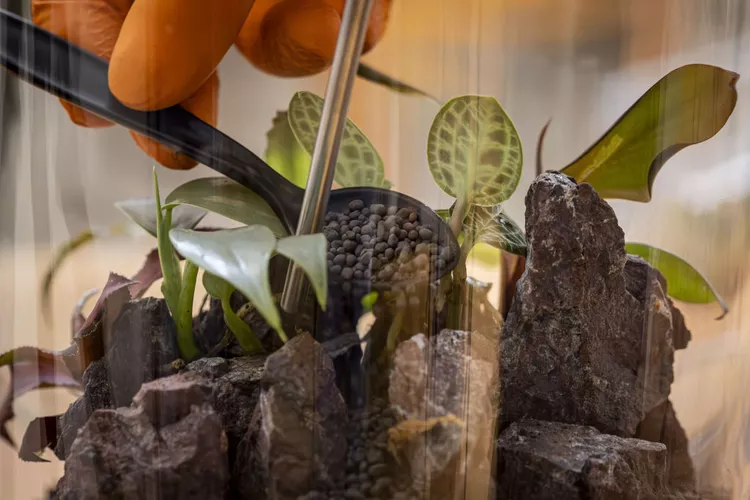
Add 2–4 inches of potting soil, depending on your container size and root depth of your chosen plants. Slightly moisten the soil before planting.
Step 6: Arrange and Plant
Start with the largest plant first, then fill in with smaller ones and moss. Dig small holes for each plant and gently press the soil around the roots. Try to keep foliage away from the container walls to reduce condensation buildup and mold.
Step 7: Decorate (If You Like)
Add decorative stones, bark, or figurines to give your terrarium a theme or aesthetic. Just don’t overcrowd it—plants still need space to breathe.
Step 8: Water Lightly
Mist the soil lightly with a spray bottle. You want the soil damp, not soggy. Since this is a closed terrarium, you won’t need to water again for weeks—or even months.
Step 9: Seal the Container
Close the lid to create a humid, closed environment. Place your terrarium in a bright spot with indirect sunlight—never in direct sun, which can overheat the container.
How the Terrarium Sustains Itself
Once sealed, your terrarium becomes a mini water cycle. Here’s how it works:
- Photosynthesis: Plants use light to create energy, producing oxygen.
- Respiration: At night, plants use oxygen and release carbon dioxide.
- Evaporation & Condensation: Water from the soil and plant leaves evaporates, condenses on the walls, and drips back down.
- Decomposition: Dead plant matter breaks down in the soil, returning nutrients for plant growth.
If these systems stay in balance, your terrarium should remain lush and healthy for months—even years—with minimal intervention.
Maintenance Tips
Even though your terrarium is self-sustaining, occasional check-ins help keep it in top shape:
Monitor Condensation
Some condensation is good—it means the cycle is working. Too much may indicate overwatering or too much light. Wipe excess condensation or open the lid briefly if needed.
Prune Occasionally
Trim yellowing leaves or overgrown plants to keep things tidy and prevent crowding.
Watch for Mold
If you notice white fuzz or mold, remove affected plants or moss immediately. Let the container air out for a day or two before resealing.
No Fertilizer Needed
Adding fertilizer can cause unwanted growth and upset the ecosystem balance. Stick with your original setup.
Best Plants for Long-Term Success
Not all plants work well in sealed environments. Here are some tried-and-true favorites for self-sustaining terrariums:
- Moss – Excellent moisture retention, looks lush, and thrives in humidity.
- Fittonia (Nerve Plant) – Vibrant veins and compact size make it ideal.
- Ferns – Love humidity and bring a soft, wild feel to your terrarium.
- Peperomia – Many varieties thrive in low light and humidity.
- Miniature Orchids or Jewel Orchids – Exotic and stunning in the right conditions.
Avoid succulents or cacti—they need dry conditions and won’t survive in a closed terrarium.
Common Mistakes to Avoid
- Overwatering: The biggest issue for terrariums. Use a spray bottle and avoid soaking the soil.
- Wrong Light: Direct sun will cook your plants. Use bright, indirect light or even LED grow lights.
- Overcrowding: Leave room for plants to breathe and grow. Dense terrariums are more prone to mold and rot.
- Using Outdoor Soil: It can introduce pests or bacteria. Always use sterile, indoor potting mix.
Final Thoughts
A self-sustaining terrarium is a fascinating blend of science, art, and nature—right on your shelf or desk. Once you get the hang of it, watching your tiny ecosystem thrive can be surprisingly therapeutic. And best of all? You won’t need to remember to water it every few days.
So gather your supplies, pick your favorite glass container, and start building a miniature jungle that practically takes care of itself. Your inner plant parent will thank you.