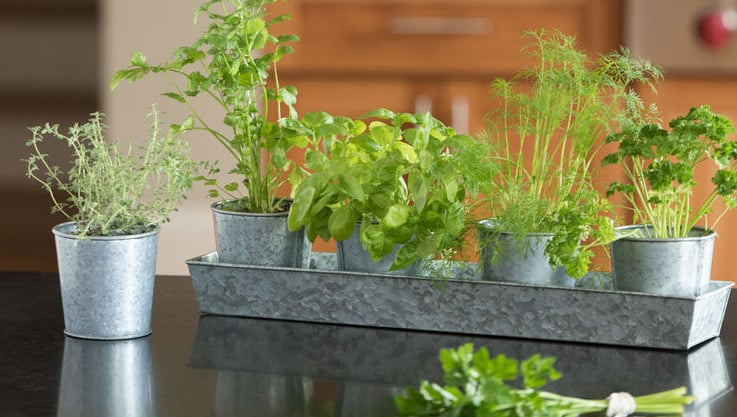
Do you love cooking with fresh herbs but don’t have a garden or yard? Don’t worry! You can grow herbs indoors, even if you live in a small apartment. Indoor herb gardening is fun, easy, and doesn’t require a lot of space. With a few basic supplies and some care, you can enjoy fresh herbs all year long.
Let’s explore how you can grow herbs in small indoor spaces step by step.
Why Grow Herbs Indoors?
Growing herbs indoors has many benefits. First, you get fresh, flavorful herbs anytime you want. You don’t have to go to the store or worry about dried herbs losing their taste. Second, it saves money. A small herb plant can grow for months or even years, giving you many harvests. Third, indoor plants make your home look and smell great. Some herbs even help clean the air!
Best Herbs to Grow Indoors
Not all herbs grow well indoors, but many do. Here are some of the easiest and most popular herbs to grow in small spaces:
- Basil: Loves sunlight and grows fast. Great for pasta and salads.
- Mint: Easy to grow and spreads quickly. Perfect for drinks and desserts.
- Parsley: Grows slowly but lasts a long time. Good for soups and sauces.
- Chives: Hardy and easy to snip for eggs and potatoes.
- Thyme: Small and fragrant. Great in meat dishes and stews.
- Oregano: A favorite in Italian cooking. Likes warm, sunny spots.
- Rosemary: Smells amazing and looks like a tiny pine tree.
Start with two or three herbs if you’re new. Choose ones you cook with often.
What You Need to Start
You don’t need fancy tools to grow herbs indoors. Here’s what you’ll need:
- Containers or pots: Use small pots with holes at the bottom. This lets water drain out and keeps roots healthy.
- Potting soil: Use a good-quality potting mix, not garden soil. Potting mix is lighter and holds moisture better.
- Seeds or starter plants: You can grow herbs from seeds or buy small plants from a store.
- Watering can or spray bottle: To water your herbs gently.
- Sunny spot: Most herbs need 6-8 hours of sunlight a day.
- Tray or dish: Put it under the pot to catch extra water.
Choosing the Right Spot
Herbs love sunlight, so find the sunniest window in your home. A south-facing window is usually best because it gets the most light. A kitchen windowsill is a great choice because it’s close to where you cook.
If you don’t have a sunny window, you can use a grow light. These lights act like the sun and help plants grow indoors. Place the grow light above the herbs and keep it on for 12-14 hours a day.
How to Plant Herbs
Here’s how to get started:
- Fill the pot with potting soil, leaving about an inch of space at the top.
- Plant seeds or seedlings. If using seeds, follow the instructions on the packet. Usually, you just sprinkle a few seeds and cover them lightly with soil.
- Water gently. Use a spray bottle or pour slowly so you don’t wash the seeds away.
- Place in sunlight. Put the pot in a sunny window or under a grow light.
- Keep the soil moist, but not soggy. Water when the top inch of soil feels dry.
If using starter plants, gently remove the plant from its nursery pot and place it into your pot with fresh soil. Pat the soil around the base and water it well.
Caring for Your Indoor Herbs
Herbs are easy to care for if you give them what they need. Here are a few simple tips:
- Light: Most herbs need at least 6 hours of sunlight. Rotate the pots every few days so all sides of the plant get light.
- Water: Herbs don’t like wet feet. Water only when the soil feels dry. Too much water can cause root rot.
- Temperature: Herbs like room temperatures between 65-75°F (18-24°C). Keep them away from cold drafts or hot radiators.
- Humidity: In winter, indoor air can be dry. Mist the leaves with water every few days or place the pot on a tray with pebbles and water to add moisture.
- Fertilizer: Use a mild liquid fertilizer once a month. Too much can make the herbs grow fast but lose flavor.
Harvesting Your Herbs
Once your herbs are big enough, you can start using them in your meals. Here’s how:
- Use clean scissors or your fingers to snip off the leaves or stems.
- Always cut from the top or sides, not the bottom.
- Don’t cut more than one-third of the plant at a time.
- Harvest regularly to keep the plant bushy and growing.
For herbs like basil and mint, pinch off the top leaves often to encourage new growth. For thyme and rosemary, snip small branches, and new ones will grow back.
Common Problems and How to Fix Them
Even indoors, plants can face a few problems. Here are some common ones:
- Yellow leaves: Too much water. Let the soil dry out before watering again.
- Leggy or weak growth: Not enough light. Move to a sunnier spot or use a grow light.
- Pests: Look for small bugs like aphids or spider mites. Spray with a mix of water and a drop of dish soap.
- Wilting: Could be too dry or too wet. Check the soil.
If your herbs outgrow their pots, you can move them to slightly bigger containers or trim them more often.
Creative Ways to Save Space
Even in a tiny apartment, there are clever ways to grow herbs:
- Hanging pots: Hang small pots in a sunny window.
- Wall planters: Use wall-mounted planters or racks to grow herbs vertically.
- Mason jars: Grow herbs in jars on a shelf, but make sure to add small rocks at the bottom for drainage.
- Stackable planters: These take up little space but hold several plants.
Enjoy Your Homegrown Herbs
Growing herbs indoors is a simple way to bring life and flavor into your home. With a little light, water, and care, you can grow your own mini herb garden in even the smallest space. Whether you live in a studio apartment or a shared dorm room, there’s always room for a few green, fragrant friends on your windowsill.
Start with just one or two herbs and see how it goes. Once you get the hang of it, you’ll never want to go back to store-bought herbs again. Happy growing!