You don’t need a big yard or a lot of money to grow your own fresh, healthy food. In fact, you can start a simple garden for under $50! With a little planning, some basic tools, and the right plants, you’ll be harvesting your own vegetables and herbs in no time.
Here’s how to start a food garden on a budget—perfect for beginners, small spaces, and tight wallets.
Why Grow Your Own Food?
Growing your own food isn’t just cheaper—it’s also healthier and more satisfying.
Benefits:
- Save money on groceries
- Eat fresher, chemical-free produce
- Reduce food waste
- Learn a fun and useful skill
- Feel proud of what you grow
Let’s break down what you need and how to do it—step by step.
Step 1: Plan Your Garden Space
You don’t need a backyard. You can garden in:
- Containers on a balcony
- Raised beds
- Small backyard plots
- Even window boxes
Start small, especially if you’re new to gardening. A space of 4 feet by 4 feet or a few pots is plenty.
Free or Cheap Space Ideas:
- Use plastic buckets or crates (with drainage holes)
- Repurpose old pots or storage bins
- Ask friends or neighbors for unused containers
Step 2: Make a Simple Budget
Here’s an example of how to start a garden under $50:
| Item | Approximate Cost |
|---|---|
| Seeds (5–6 packs) | $10 |
| Soil/Compost (1–2 bags) | $15 |
| Containers (reused/free) | $0–5 |
| Basic hand tools | $10 |
| Mulch (optional) | $5 |
| Watering can/bottle | $5 |
| Total | $45–$50 |
You can save more by using what you already have.
Step 3: Choose Easy, Productive Plants
Select plants that grow fast, give a good harvest, and are easy to care for.
Best Vegetables for Small Budgets:
1. Lettuce
- Grows quickly
- Can harvest leaves again and again
- Grows well in pots
2. Spinach
- Nutritious and easy to grow
- Prefers cooler weather
3. Radishes
- Ready to harvest in 3–4 weeks
- Great for beginners
4. Green Beans
- High-yield and easy to grow
- Climbing types save space
5. Tomatoes (cherry or patio varieties)
- Just one plant gives lots of fruit
- Grows well in containers
6. Zucchini or Squash
- One plant can feed a family
- Needs space or a large pot
7. Herbs (basil, parsley, mint)
- Grow well in small pots
- Great for cooking
Step 4: Start from Seeds (Not Plants)
Buying seedlings is easy—but seeds are cheaper and go a long way. A $2 seed pack can grow 20–100 plants!
Tips for Growing from Seed:
- Follow instructions on the seed packet
- Keep seeds warm and moist until they sprout
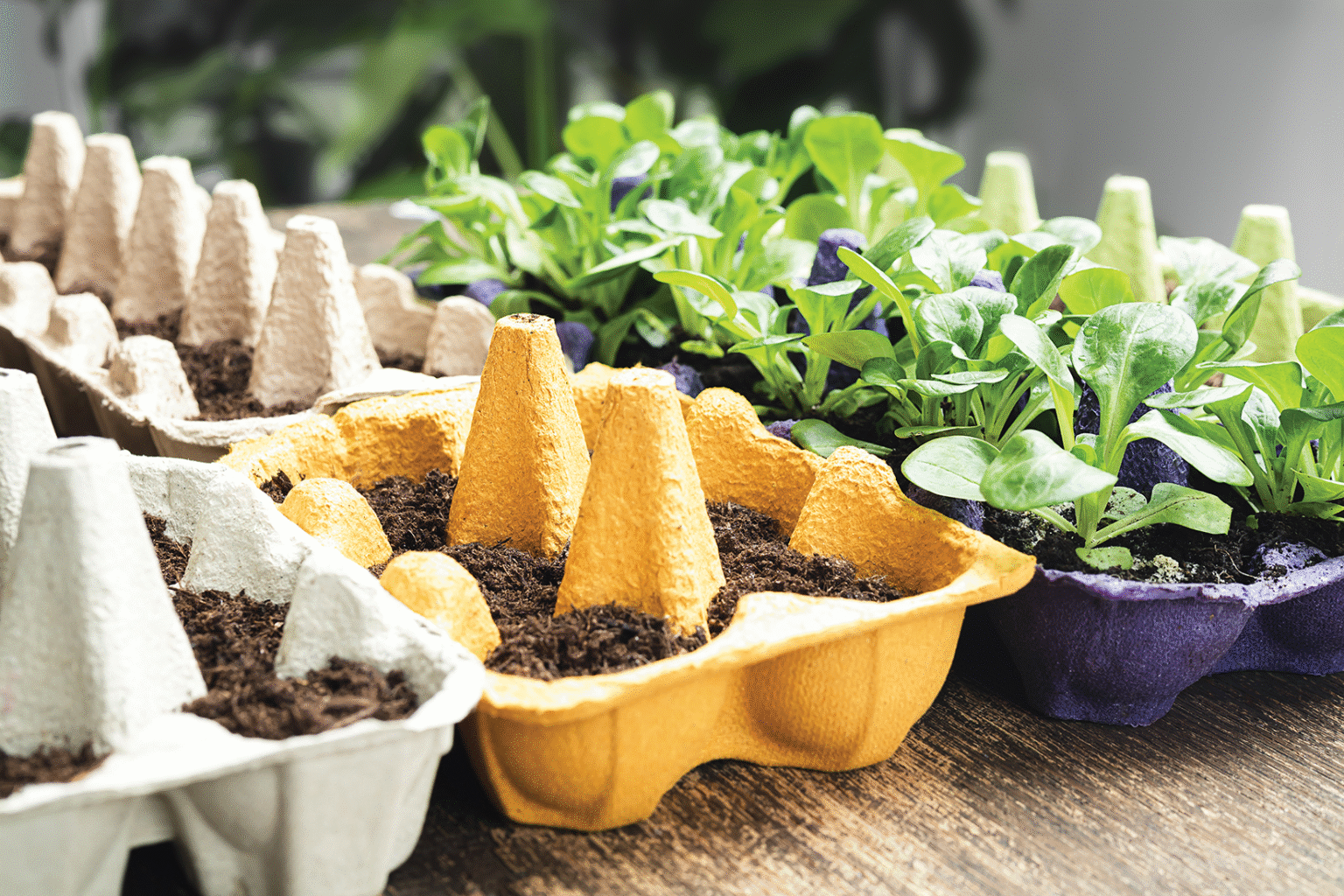
- Use egg cartons or yogurt cups as free seed starters
Step 5: Use Homemade or Free Fertilizer
Skip store-bought plant food and use what you have:
Easy DIY Options:
- Banana peel water (soak in water overnight)
- Crushed eggshells for calcium
- Coffee grounds for nitrogen
- Compost scraps if you have a small pile
Step 6: Water Wisely
Plants don’t need fancy watering systems. Use:
- A reused milk jug or soda bottle
- A cheap watering can
- Water in the morning or evening to avoid drying out
Save Rainwater:
Place a bucket outside to collect water on rainy days!
Step 7: Keep Costs Low With Smart Tips
Use What You Have:
- Old kitchen spoons = garden tools
- Broken pots = drainage material
- Newspapers = mulch to stop weeds
Reuse and Recycle:
- Save seeds from store-bought fruits
- Share tools or seeds with friends
- Trade extra plants or harvests
Avoid Overbuying:
Start small. You don’t need every tool or plant all at once.
How Much Can You Grow?
With just a few plants, you can grow:
- 10+ heads of lettuce
- Dozens of radishes
- Pounds of tomatoes and beans
- Fresh herbs all season long
Even a small harvest saves money—and it adds up over time!
Final Thoughts
Budget gardening is simple, fun, and rewarding. With under $50, you can start growing your own food, right in your backyard, balcony, or even windowsill. Use containers, plant smart, and save by using seeds and homemade fertilizers.
You don’t need a big garden to grow fresh, tasty vegetables and herbs—you just need a little space, a small budget, and a big love for growing.
Start today, and enjoy the fresh taste of homegrown food—without breaking the bank