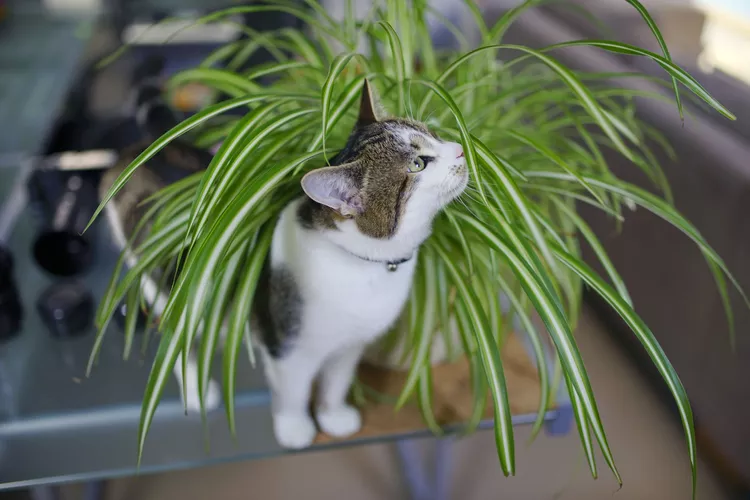
If you’re both a plant lover and a cat owner, you know the struggle—finding greenery that’s beautiful and safe for your curious companion. Spider plants (Chlorophytum comosum) are one of the most popular houseplants because they’re easy to grow, tolerate low light, and purify indoor air. But if your cat treats every leaf like a toy or a snack, you might wonder: Are spider plants toxic to cats?
The good news is that spider plants are non-toxic—but there are still a few things you need to watch out for. Here’s what every cat parent should know about this popular houseplant.
Spider Plants Are Non-Toxic to Cats
According to the ASPCA (American Society for the Prevention of Cruelty to Animals), spider plants are classified as non-toxic to both cats and dogs. So, if your cat takes a nibble, it likely won’t lead to any serious medical problems or poisoning.
Unlike truly toxic plants such as lilies, philodendrons, or pothos, spider plants don’t contain dangerous compounds that harm a cat’s organs. In most cases, ingestion results in no major health risks.
But non-toxic doesn’t necessarily mean harmless.
Why Are Cats Attracted to Spider Plants?
Many cat owners report that their feline friends are oddly obsessed with spider plants. They chew on them, bat at the leaves, or even try to dig in the soil. So what’s going on?
One theory is that spider plants contain compounds similar to those found in catnip—a mild hallucinogen for cats. While it hasn’t been conclusively proven, some experts believe that spider plants may mildly stimulate a cat’s senses, triggering playful or excited behavior.
The long, arching leaves also resemble grass, which cats instinctively chew to aid digestion or induce vomiting—especially if they’ve eaten something that upset their stomach.
Potential Risks of Chewing Spider Plants
Even though spider plants aren’t toxic, excessive chewing or ingestion can still lead to:
- Gastrointestinal Upset: Mild symptoms like vomiting or diarrhea can occur if your cat eats too much.
- Choking Hazard: Long leaves can get lodged in a cat’s throat if swallowed improperly.
- Soil Contamination: If your cat digs in the pot, it may ingest dirt or fertilizers, which could be more harmful than the plant itself.
- Plant Damage: Chewing leaves can ruin the look of your plant, leading to yellowing or broken foliage.
How to Protect Both Your Cat and Your Spider Plant
It’s possible to live harmoniously with both your cat and your spider plant—no need to give up either. Try these tips to keep the peace (and your plant intact):
1. Hang Your Spider Plant
Spider plants are perfect for hanging baskets. Placing them high and out of reach is often the most effective way to keep them away from curious paws.
2. Provide Alternatives
Give your cat safe alternatives like cat grass, catnip, or silvervine. These are pet-safe plants that satisfy their craving to chew without posing any risks.
3. Use Natural Deterrents
Cats dislike strong smells like citrus, vinegar, or certain herbs like rosemary. Spritzing a diluted citrus spray on or near your plant (test on a small section first) can make it less appealing.
4. Cover the Soil
To discourage digging, place decorative stones or a layer of mesh on top of the soil. This keeps both the soil and the plant safe from your pet’s playful instincts.
5. Use Cat Repellent Spray
Pet-safe sprays designed to deter chewing can also work well on furniture, cords, and plants. Be sure to choose a non-toxic formula that won’t harm your cat or the plant.
6. Train With Positive Reinforcement
When your cat avoids the plant, reward them with treats or affection. Consistent training can gradually teach them to steer clear.
Safe Alternatives to Spider Plants
If you’re not sure your spider plant will survive your cat’s curiosity—or you just want more pet-safe greenery—here are some great alternatives:
- Areca Palm – Elegant and non-toxic
- Parlor Palm – Low light tolerant and cat-friendly
- Bamboo Palm – Air-purifying and safe for pets
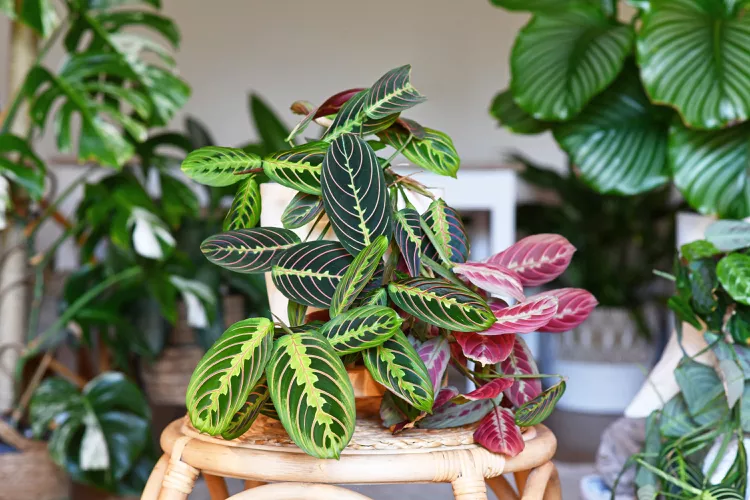
- Calathea – Bold patterns and safe for cats
- Boston Fern – A soft, lush look with no toxicity concerns
These add beauty to your space without the worry.
What to Do If Your Cat Eats a Spider Plant
If you notice your cat chewing on your spider plant, there’s usually no need to panic. Monitor them for a few hours to see if any symptoms develop. Look out for:
- Vomiting
- Diarrhea
- Lethargy
- Excessive drooling
If symptoms are mild, they’ll likely pass on their own. If your cat eats a large amount or shows signs of distress, contact your veterinarian or a poison control hotline like the ASPCA Animal Poison Control Center at (888) 426-4435.
Final Thoughts
Spider plants are a safe and stylish addition to any cat-friendly home. While they aren’t toxic, their irresistible leaves can still cause some mild tummy trouble or lead to a bit of household chaos. The key is to strike a balance—provide your cat with safe alternatives, use deterrents if needed, and place your plants wisely.
So yes, you can keep that lush spider plant and your mischievous kitty under the same roof—just be ready for the occasional leaf to go missing.