Saving water in your garden doesn’t have to be difficult or expensive. One smart and eco-friendly way is rainwater harvesting—collecting and storing rain for later use in your garden. It’s a great way to reduce water bills, help the environment, and keep your plants healthy.
If you have a small backyard, don’t worry. You can still harvest rainwater easily and effectively. Here’s how to do it.
What Is Rainwater Harvesting?
Rainwater harvesting is the process of collecting rain that falls on your roof or yard and storing it for garden use. Instead of letting water run off into the street or drain, you catch and use it to water your plants.
Benefits of Rainwater Harvesting
- Saves money on water bills
- Helps during dry seasons or drought
- Reduces runoff and erosion
- Good for plants—rainwater is free of chemicals like chlorine
- Easy to set up and maintain
Simple Rainwater Harvesting Tips for Small Gardens
1. Use a Rain Barrel
What It Is:
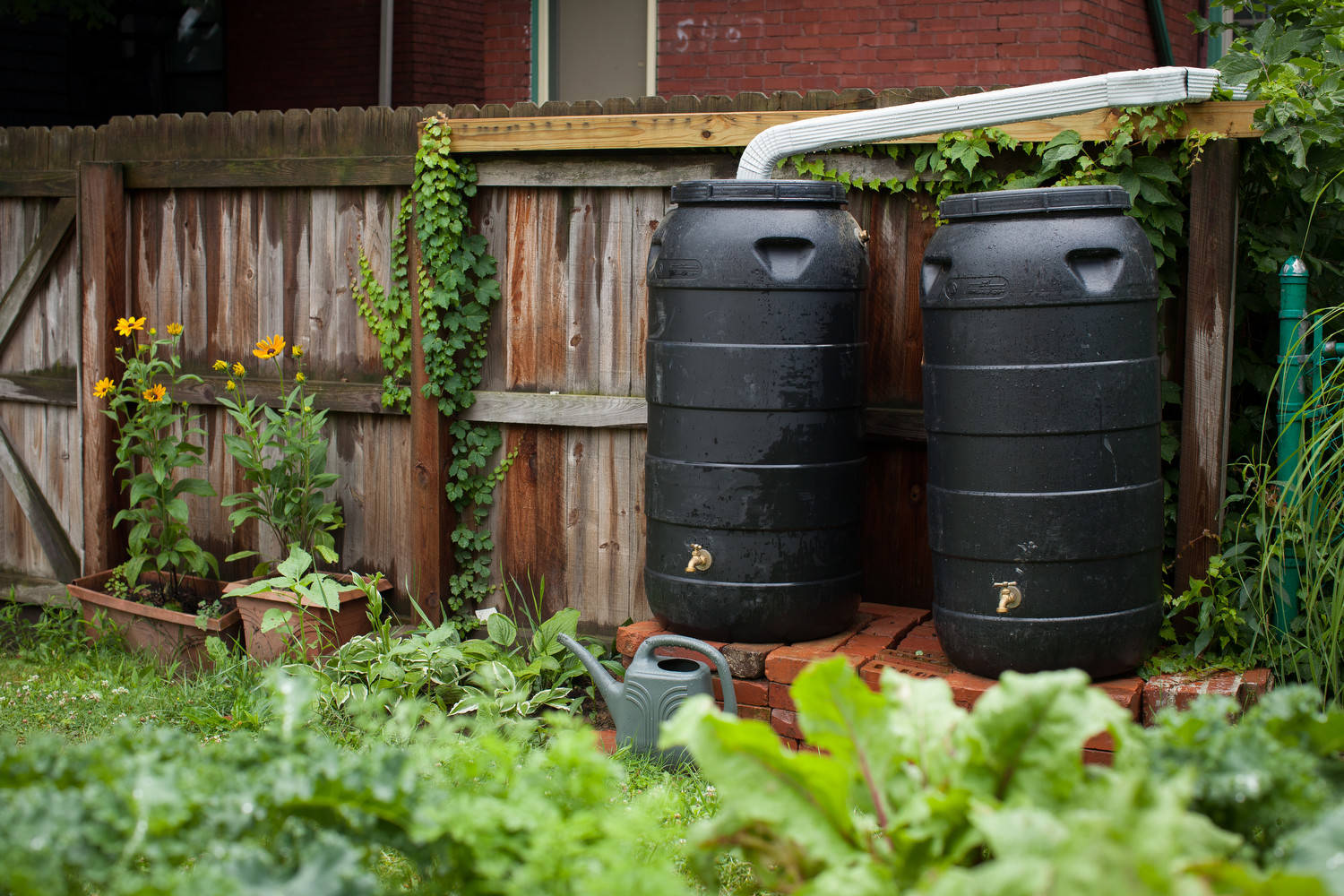
A rain barrel is a container that collects water from your roof, usually through the gutter system.
How to Set It Up:
- Place the barrel under a downspout (where water comes off your roof)
- Use a screen on top to keep out leaves and insects
- Add a spigot or tap near the bottom to fill watering cans
Tip:
Use food-grade barrels or ready-made rain barrels for safety and long-term use.
2. Redirect Downspouts
If you don’t want a barrel, simply direct your downspouts into garden beds.
How It Helps:
Rainwater flows straight to your plants instead of going to waste.
Tip:
Use rocks or splash guards to stop erosion where the water hits the ground.
3. Try a Mini Rain Garden
A rain garden is a small, shallow dip in the ground filled with plants that love water. It catches and holds rainwater from your roof or driveway.
How to Make One:
- Dig a shallow area where water naturally collects
- Fill with compost and native plants
- Add mulch to help absorb and filter water
Tip:
Choose plants with deep roots like black-eyed Susan, bee balm, or switchgrass.
4. Use Buckets or Containers
When it rains, set out clean buckets, tubs, or bins to collect extra water. This is a quick and free method.
Tip:
Cover the containers after the rain to keep out mosquitoes and debris.
5. Install a Gutter Diverter
A gutter diverter sends water from your gutter into a barrel or container only when it rains.
How It Works:
- Attaches to your downspout
- Automatically fills your barrel when it rains
- Stops water flow when the barrel is full
Tip:
Choose one with an automatic shut-off to prevent overflow.
How to Use Collected Rainwater in the Garden
Rainwater is great for:
- Watering vegetables, flowers, and herbs
- Filling watering cans
- Topping up birdbaths or small ponds
- Washing garden tools
Important:
Only use rainwater on edible plants if the collection system is clean and safe. Avoid using water that’s been standing for too long or smells bad.
Maintenance Tips
Keep It Clean
- Check for leaves and debris in gutters
- Clean your barrel or container every few months
- Use fine mesh screens to keep out bugs and dirt
Prevent Mosquitoes
- Keep containers covered
- Add mosquito dunks (natural larvicide) if needed
Winter Care
- Empty your barrel before freezing temperatures
- Disconnect and store parts if needed
Bonus: Make It Attractive
Even small rain collection systems can look nice!
Ideas:
- Paint your rain barrel to match your garden
- Hide it with a wooden cover or trellis
- Place potted plants around it for decoration
Final Thoughts
Rainwater harvesting is an easy and smart way to take care of your garden and the planet—especially if you have a small backyard. You don’t need fancy equipment or lots of space. A simple barrel, a few buckets, or a well-placed rain garden can go a long way.
By catching and using rainwater, you’ll save money, grow healthier plants, and reduce your impact on the environment. So next time it rains, let nature do the watering!