
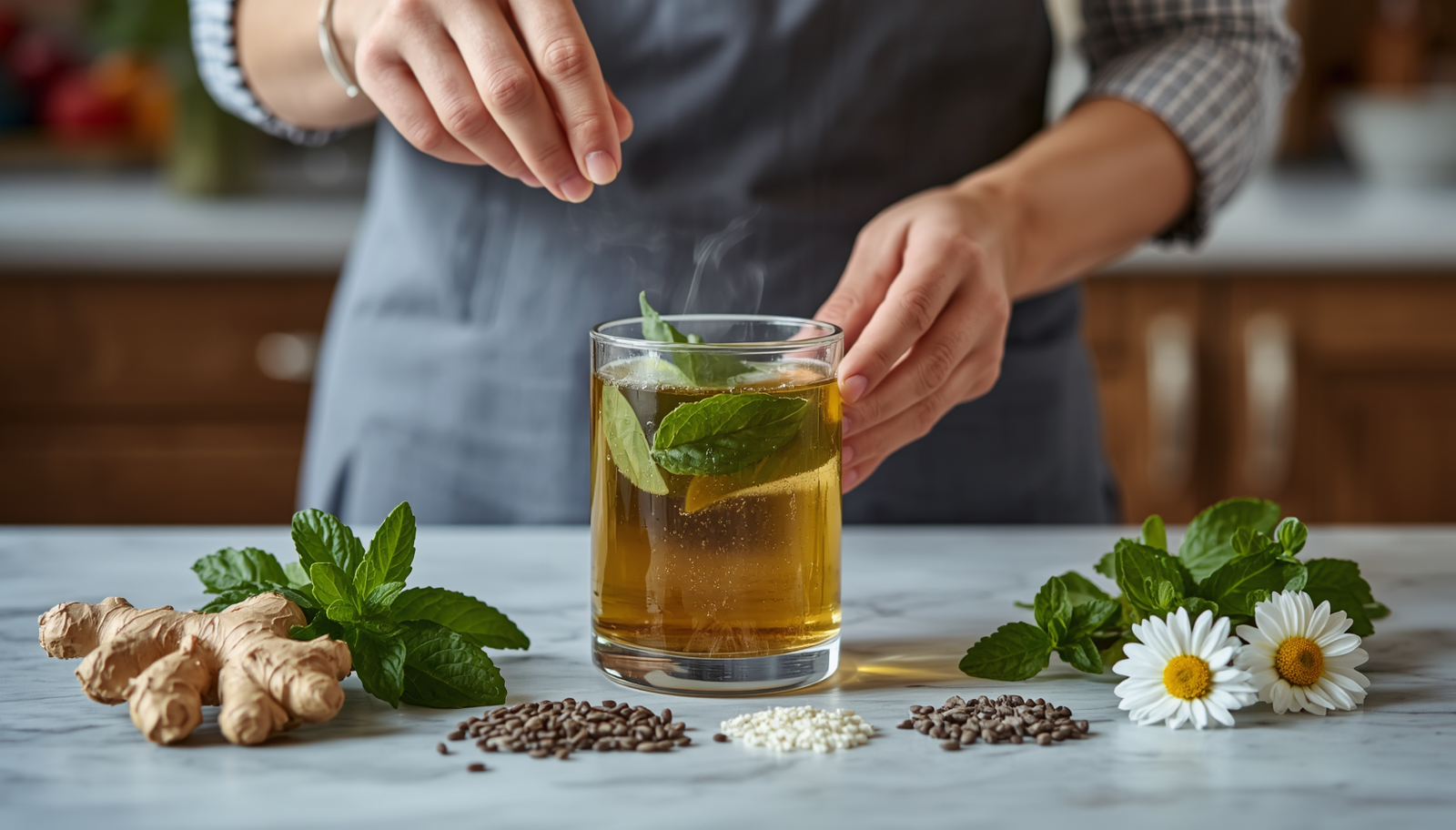
Digestive health plays a central role in overall wellness. The digestive system processes food, absorbs nutrients, and supports immune function. Gut balance also influences energy levels, metabolism, and mental health. Many people turn to medicinal plants to support digestion and gut balance.
Medicinal plants contain fiber, plant compounds, and nutrients that support digestive processes. Traditional health systems across regions used plants for digestion support. Today, research continues to explore the role of medicinal plants in gut health.
This article explores medicinal plants that support digestive health and gut balance. It includes preparation methods, daily use tips, and safety guidance.
Understanding Digestive Health and Gut Balance
The digestive system includes the stomach, intestines, liver, pancreas, and gut microbiome. These components work together to break down food and absorb nutrients. Gut bacteria also play a role in digestion and immune response.
Poor digestion may lead to bloating, discomfort, irregular bowel movements, and nutrient imbalance. Medicinal plants support digestive enzymes, gut bacteria, and intestinal movement.
Ginger for Digestive Support
Ginger root supports digestion and reduces discomfort. It contains compounds that influence digestive activity and stomach function.
How to Use Ginger
- Slice fresh ginger and brew tea
- Add grated ginger to meals
- Mix ginger powder in warm water
Daily Use
Use ginger once or twice per day in moderate amounts.
Peppermint for Gut Comfort
Peppermint supports intestinal movement and digestion. Many people drink peppermint tea after meals.
How to Use Peppermint
- Brew peppermint leaves
- Use peppermint tea after meals
- Add peppermint to water
Fennel Seeds for Digestion
Fennel seeds support digestion and reduce bloating. Many people chew fennel seeds after meals.
How to Use Fennel Seeds
- Chew seeds after meals
- Brew fennel tea
- Add seeds to cooking
Turmeric for Gut Balance
Turmeric supports digestive processes and liver function. Curcumin in turmeric plays a role in gut health.
How to Use Turmeric
- Add turmeric to meals
- Brew turmeric tea
- Mix turmeric with warm water
Aloe Vera for Digestive Health
Aloe vera supports digestion and intestinal function. Many people drink aloe juice.
How to Use Aloe Vera
- Drink aloe juice in small amounts
- Add aloe gel to smoothies
Licorice Root for Gut Support
Licorice root supports stomach lining and digestion. It is used in herbal practice.
How to Use Licorice Root
- Brew licorice tea
- Use extract form
Chamomile for Digestive Relaxation
Chamomile supports digestion and gut relaxation. Many people drink chamomile tea after meals.
How to Use Chamomile
- Brew chamomile tea
- Drink after meals
Dandelion for Liver and Digestion
Dandelion supports liver function and digestion. Many people use dandelion root or leaves.
How to Use Dandelion
- Brew dandelion tea
- Add leaves to meals
Psyllium for Gut Balance
Psyllium contains fiber that supports bowel movement and gut balance.
How to Use Psyllium
- Mix psyllium husk with water
- Use once daily
Mint for Digestive Support
Mint supports digestion and gut comfort.
How to Use Mint
- Brew mint tea
- Add mint leaves to meals
Building a Digestive Health Routine
Morning Routine
- Drink warm ginger tea
- Use psyllium with water
Afternoon Routine
- Drink peppermint tea
- Add turmeric to meals
Evening Routine
- Drink chamomile tea
- Use fennel seeds after meals
Lifestyle Tips for Digestive Health
- Eat balanced meals
- Drink water
- Chew food slowly
- Maintain meal schedule
- Include fiber in diet
Safety Considerations
Consult a professional before using medicinal plants if pregnant, nursing, or managing health conditions. Use moderate intake.
Conclusion
Medicinal plants support digestive health and gut balance. Ginger, peppermint, fennel, turmeric, aloe vera, licorice root, chamomile, dandelion, psyllium, and mint support digestion and gut function.
Use these plants in tea, powder, or meal form for digestive wellness. Combine plant remedies with balanced diet and hydration for gut balance.